Photos of Kuranda - Village in the Rainforest, Australia



To Kuranda - Village in the Rainforest
Kuranda Village is just 25 kilometres northwest of Cairns in Far North Queensland, surrounded by a World Heritage Rainforest, home to the Djabugay people for over 10,000 years. Europeans began to explore the area in the nineteenth century; a massacre of indigenous people took place at the location in Kuranda known as Skeleton Creek. Kuranda was first settled in 1885 and surveyed by Thomas Behan in 1888. Construction of the now-famous railway from Cairns to Myola (later Cairns to Herberton) began in 1887, and the line reached Kuranda in 1891. Although coffee was grown around Kuranda in the early twentieth century, timber was the town’s primary industry for several years. The Barron Gorge Hydroelectric Power Station was built nearby in the 1960s. Throughout the 1960s and 1970s, Kuranda was popular with alternative lifestylers, and today it is a thriving tourist town.
you may then send it as a postcard if you wish.
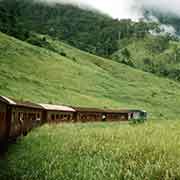
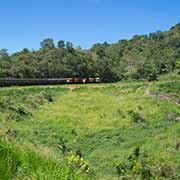
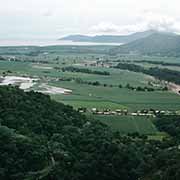
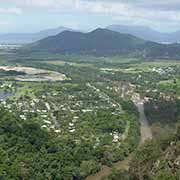
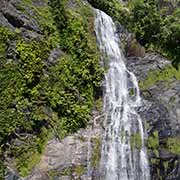
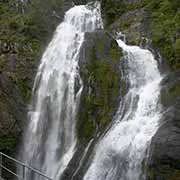
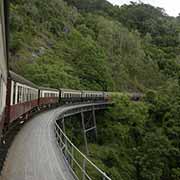
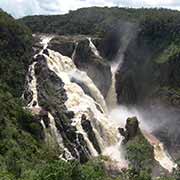

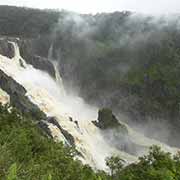
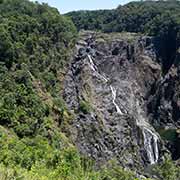
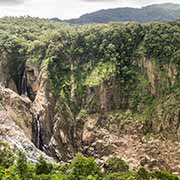
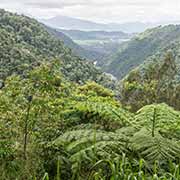
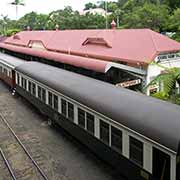
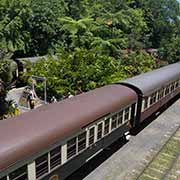
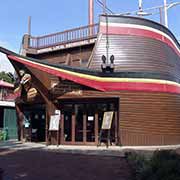

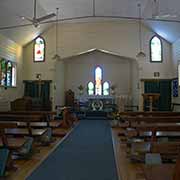
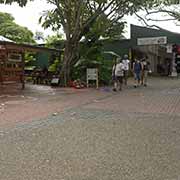
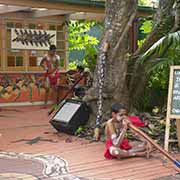

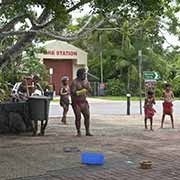
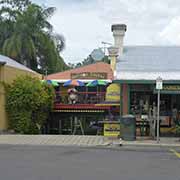
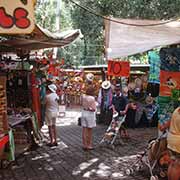
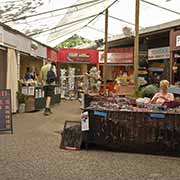
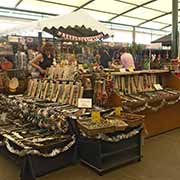
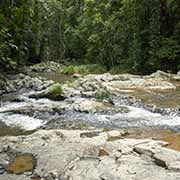
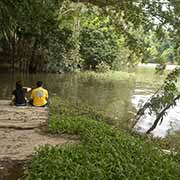
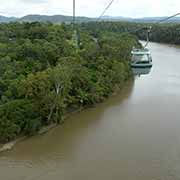
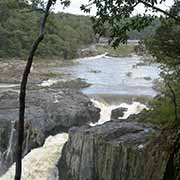
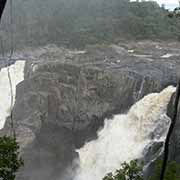
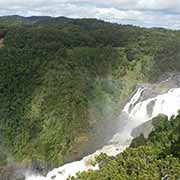
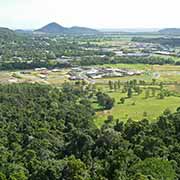
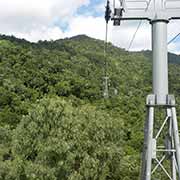
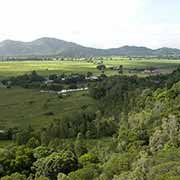
Attractions in the town include the famous Kuranda Markets, consisting of a range of arts and crafts stalls. Kuranda is a major centre for opals and didgeridoos. It has many cafes and restaurants, curio shops, a butterfly farm and the historic railway station, built in 1915 and featuring a riot of ferns and orchids, the terminus of the Kuranda Scenic Railway coming from Cairns. The Skyrail Rainforest Cableway can also reach it from Caravonica, a western suburb of Cairns, with fantastic views and boardwalks on the way. Both trips offer views of Barron Falls, an awesome sight in the wet season.
Barron Falls is where the Barron River descends from the Atherton Tablelands to the Cairns coastal plain; in Djabugay lore Buda-dji, the ancestral being, in the shape of a giant carpet snake, formed the Barron Gorge. The Railway Engine of Kuranda’s Scenic Railway is painted with a representation of this ancestral being. Protected within the Barron Gorge National Park, the falls only have a spectacular flow after substantial rainfall during the wet season. For much of the rest of the year, little more than a trickle is evident, due in part to the presence of a weir behind the head of the falls to supply the Barron Gorge Hydroelectric Power Station located downstream in the lower gorge.