Photos of Northern, Central and Southern Arnhem Land, Australia

Northern, Central and Southern Arnhem Land
Milingimbi and Elcho Island (Galiwin’ku) are home to people who collectively are called “Yolngu” and speak the related clan languages Gupapuyngu and Djambarrpuyngu. They are related to the people of the mainland of northeastern Arnhem Land, where the community of Yirrkala, near the mining town of Nhulunbuy (Gove) is the best known. This is a land where traditional life is still well and truly flourishing but where the Yolngu (Aboriginal) people are happy to share their culture with the outside world. Dance groups perform overseas, and bands like Yothu Yindi from the northeastern Gove peninsula combine contemporary music with ancient chants and dances.
you may then send it as a postcard if you wish.
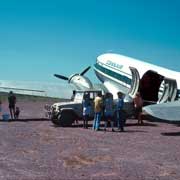
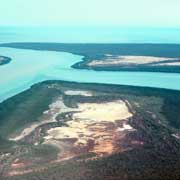
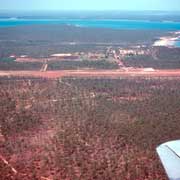
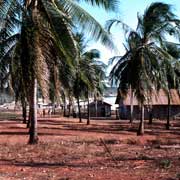
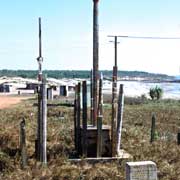
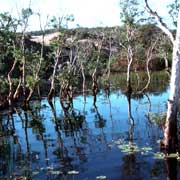
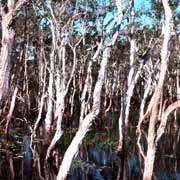
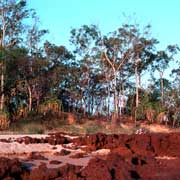
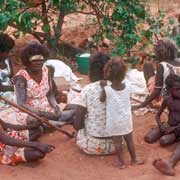
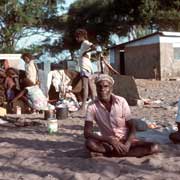
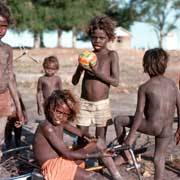
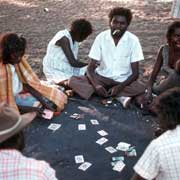
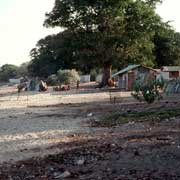
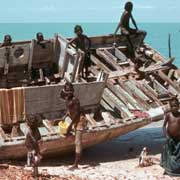
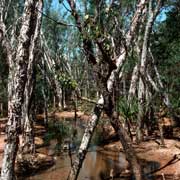
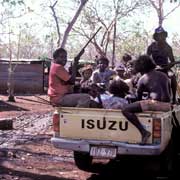
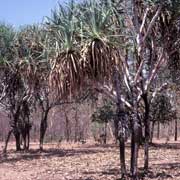
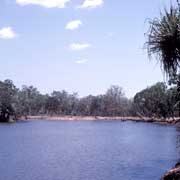
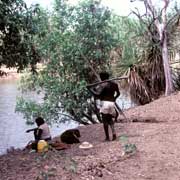
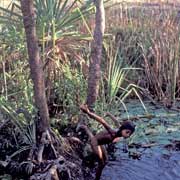
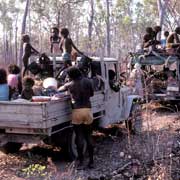
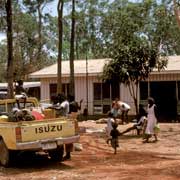
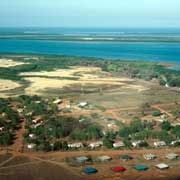
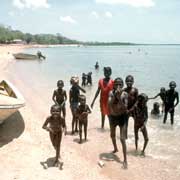
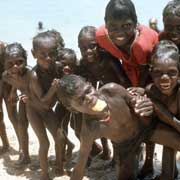
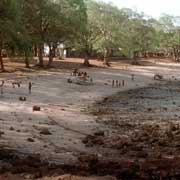
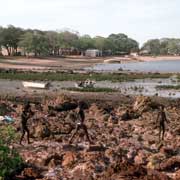
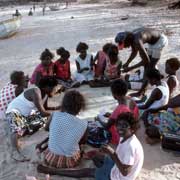
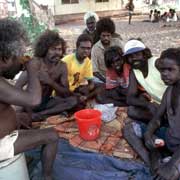
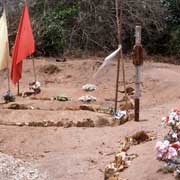
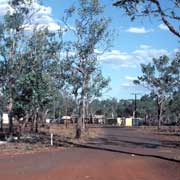
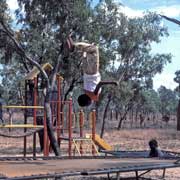
Arnhem Land, the huge Aboriginal Reserve at the Top End of the Northern Territory, is home to people speaking a large number of different languages, but usually, people can speak and often understand as many as five. In Arnhem Land, many of those languages are very different from each other. For example, in the far south of Arnhem Land, in the small communities of Bulman and Weemol, are speakers of Ngalkbon (or Dalabon), Rembarrnga and, because of links with Beswick and Barunga communities further south, Jawoyn as well.
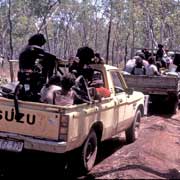
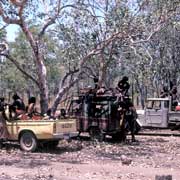
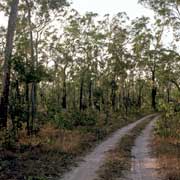
Although no longer completely isolated because of (rough) roads, airstrips and solar-powered telephones, people still live according to their traditions: ceremonies are still significant. Outside visitors are rare, as permits are required, and transportation overland is by four-wheel-drive only. A rough bush road leads from Bulman, in southern Arnhem Land, north to Ramingining, a community in northern Arnhem Land, about 50 kilometres from Milingimbi. The film “Ten Canoes”, depicting life in the old days, was made here.